
In the footsteps of the great thinkers and writers of Roman Africa
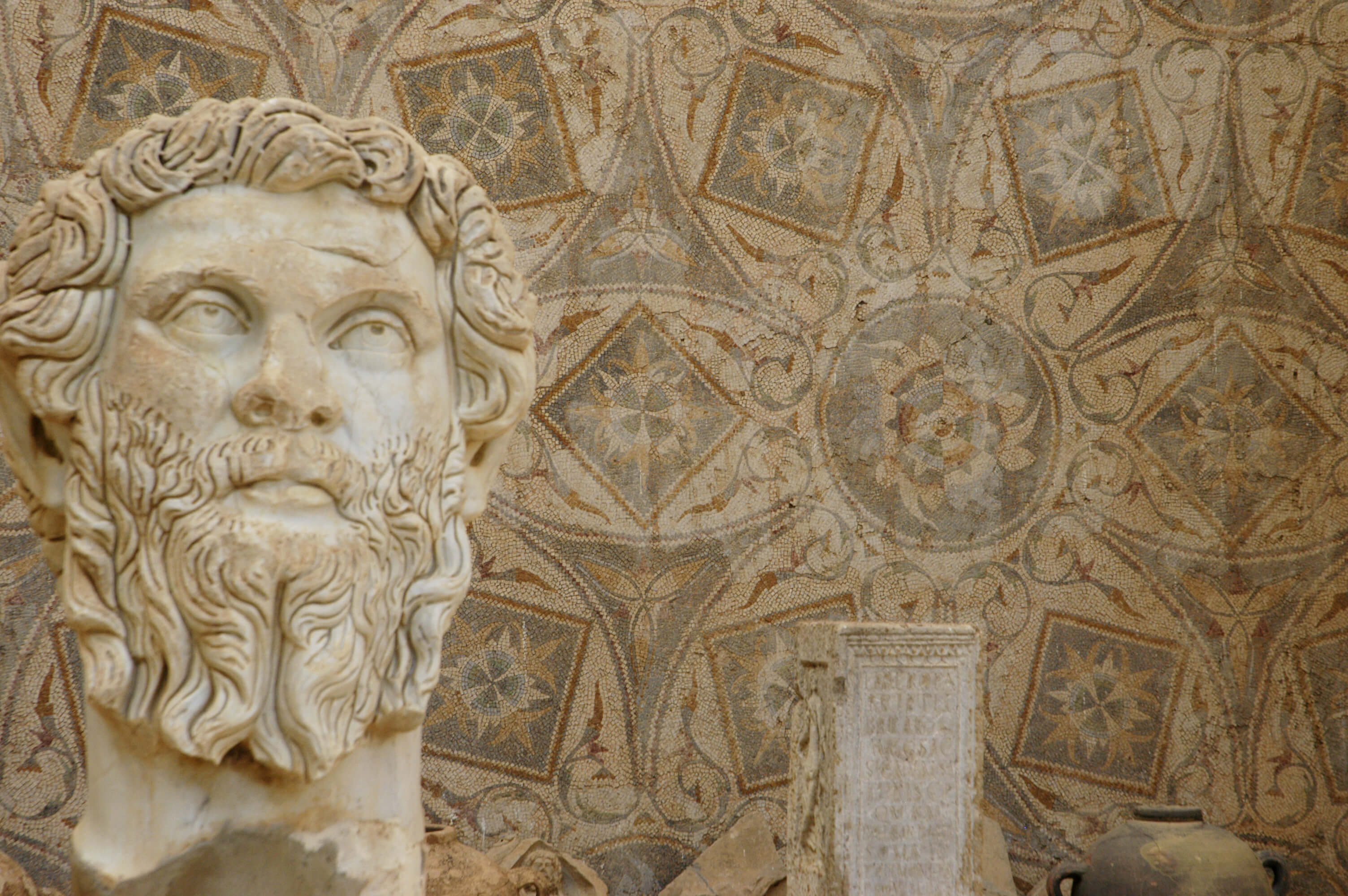
This cultural tour invites you to discover the birthplaces, centers of learning, and areas of influence of great intellectuals from Antiquity in Eastern Algeria and neighboring regions of Tunisia. An immersion into the intellectual richness of Roman Africa.
Saint Augustine (354 – 430) – Thagaste (Souk Ahras)
Philosopher, Christian theologian, and one of the Fathers of the Latin Church.
- Visit Souk Ahras, his birthplace (ancient Thagaste)
- Saint Augustine Basilica in Annaba (ancient Hippo), where he served as bishop
- Explore the ruins of Hippo, the museum, and Augustinian archives
Apuleius of Madauros (123 – 180) – Madaure (M'douarouch)
Neoplatonist philosopher and writer.
- Author of the famous novel The Metamorphoses (The Golden Ass)
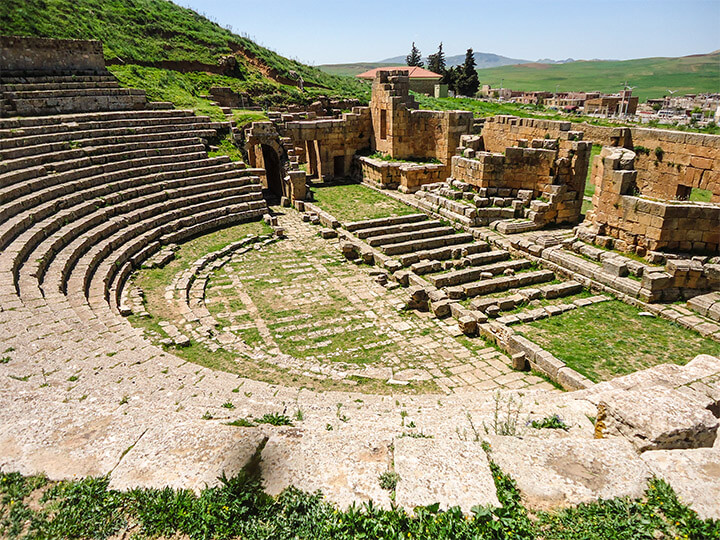
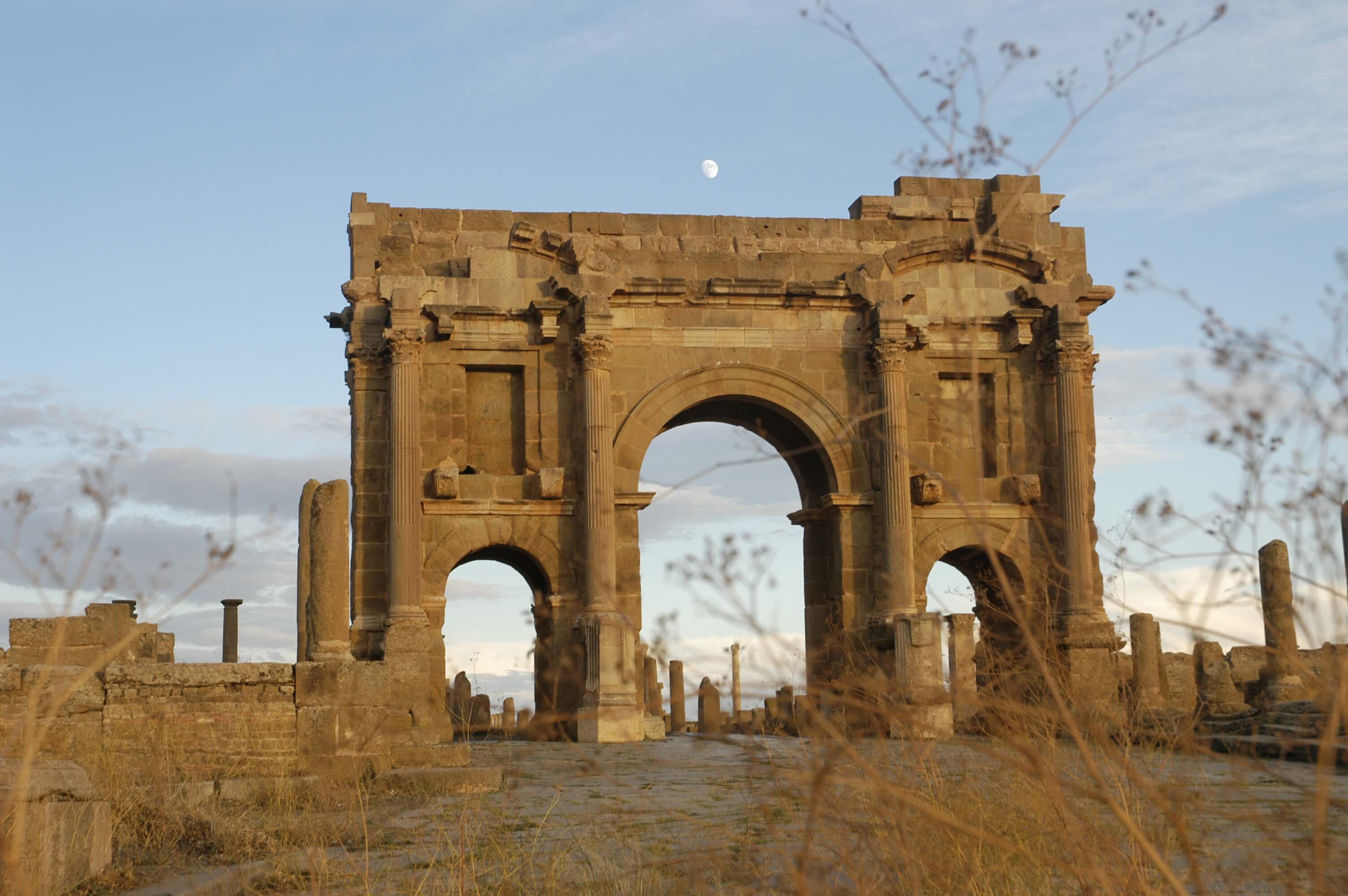
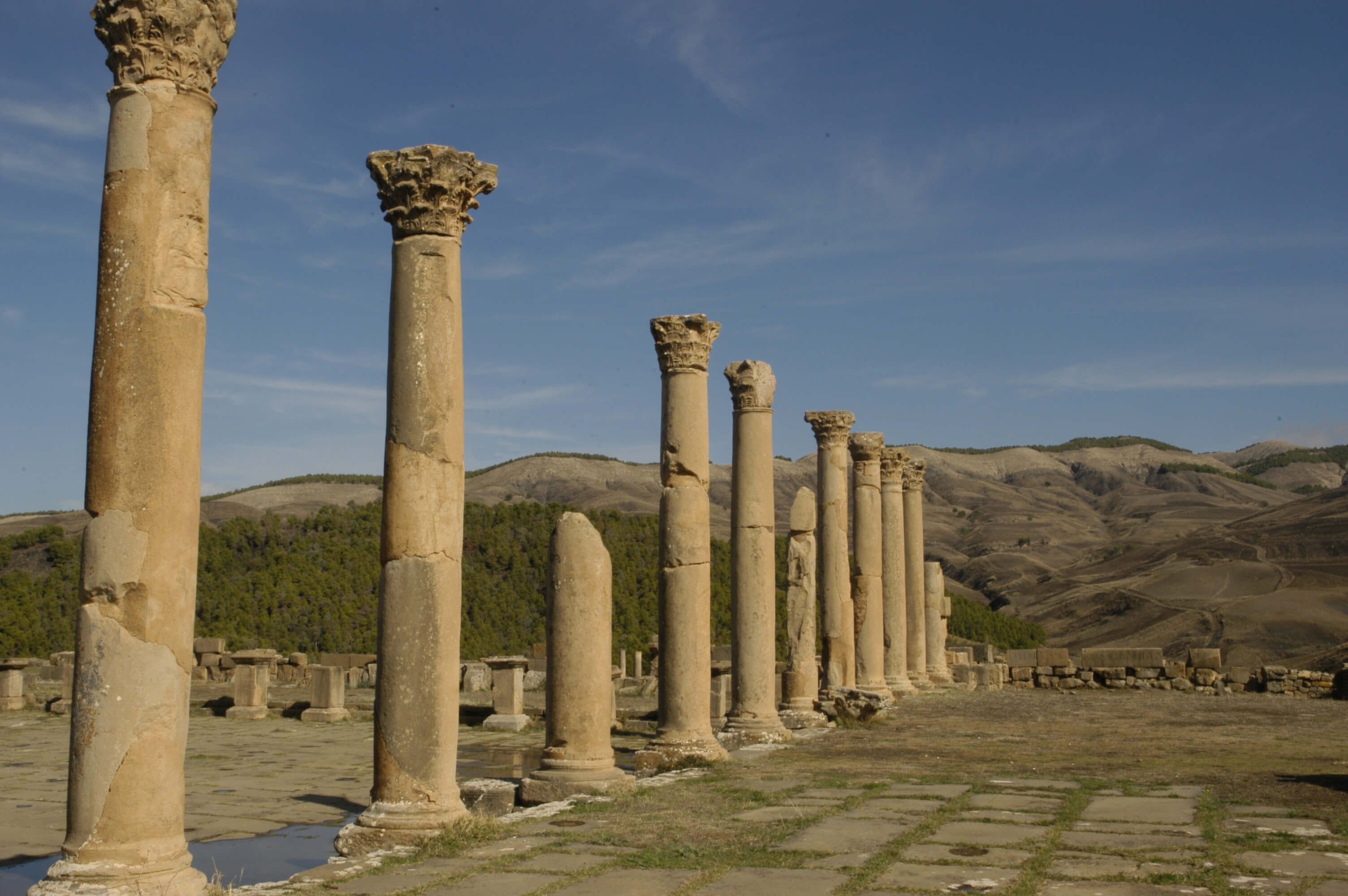
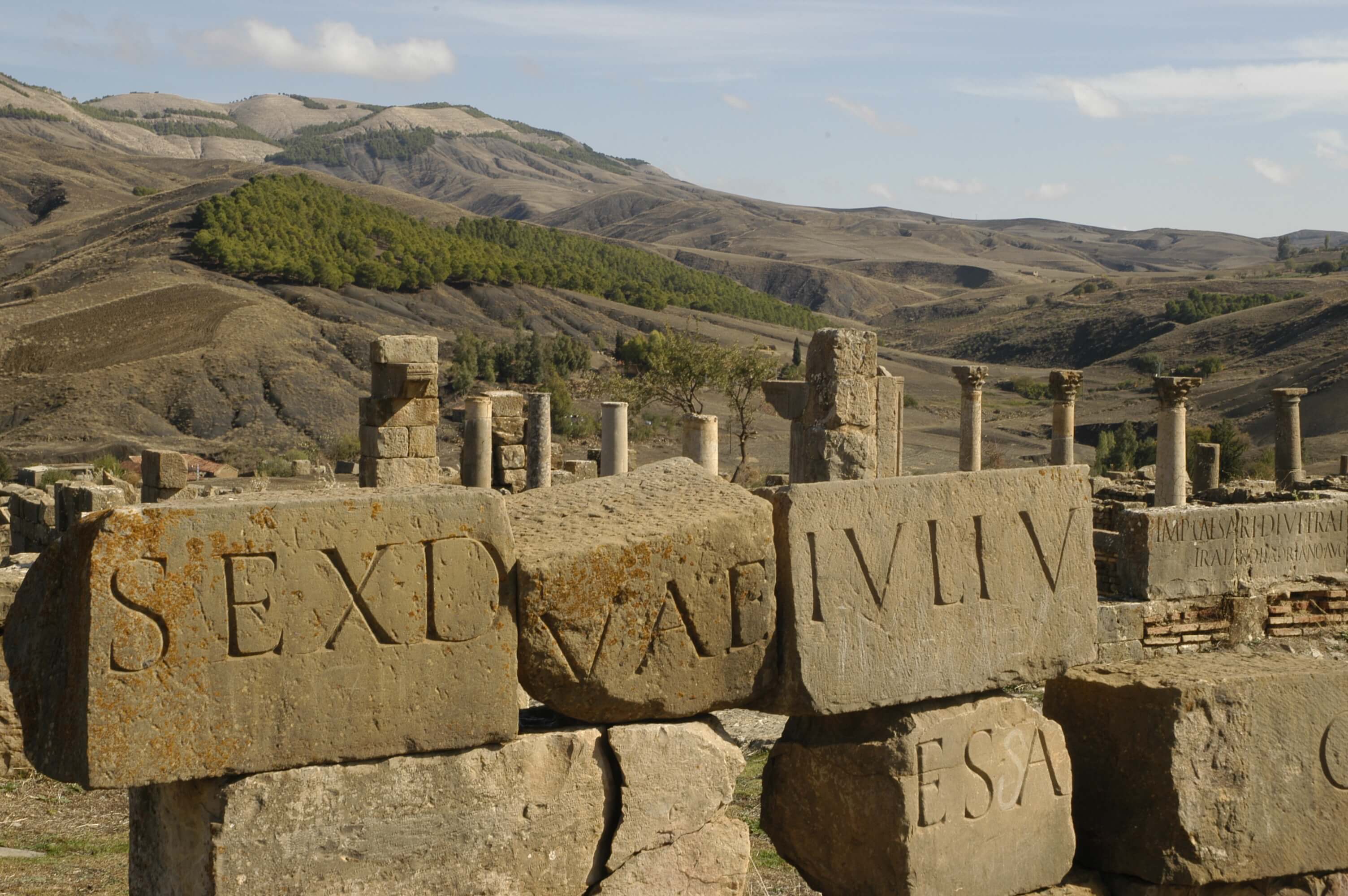
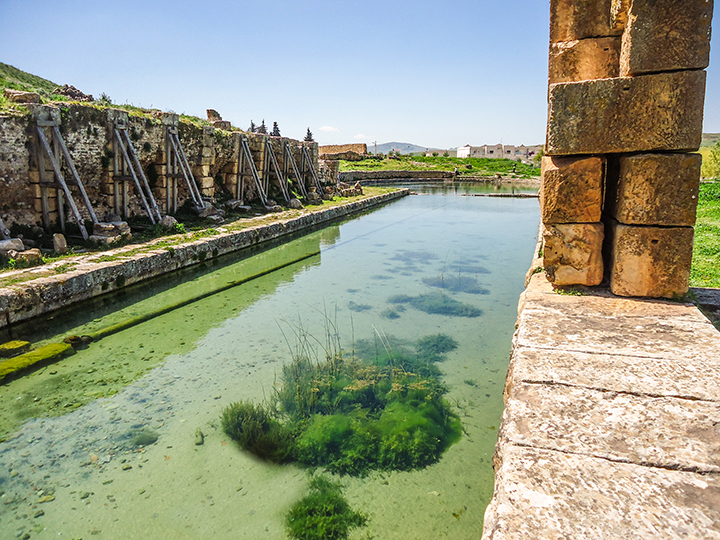
- Visit M'douarouch: ancient theater, forum, columns, and basilicas
- Site of a prestigious school of rhetoric
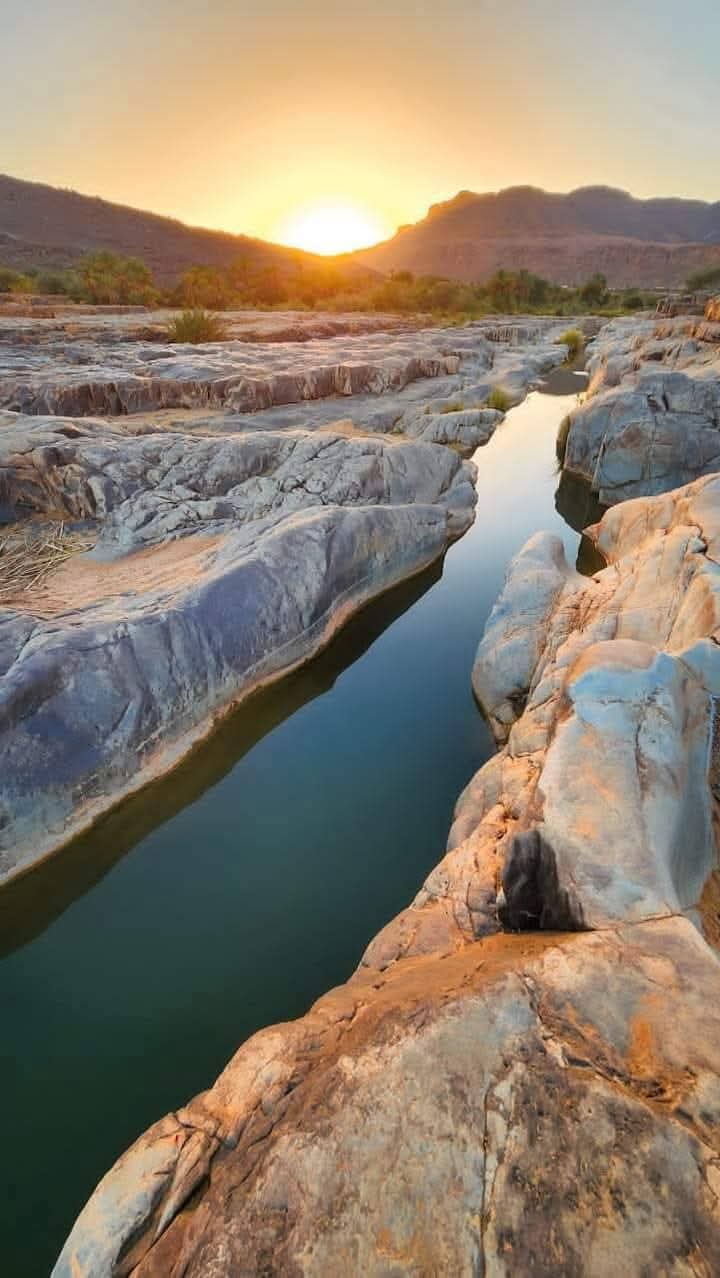
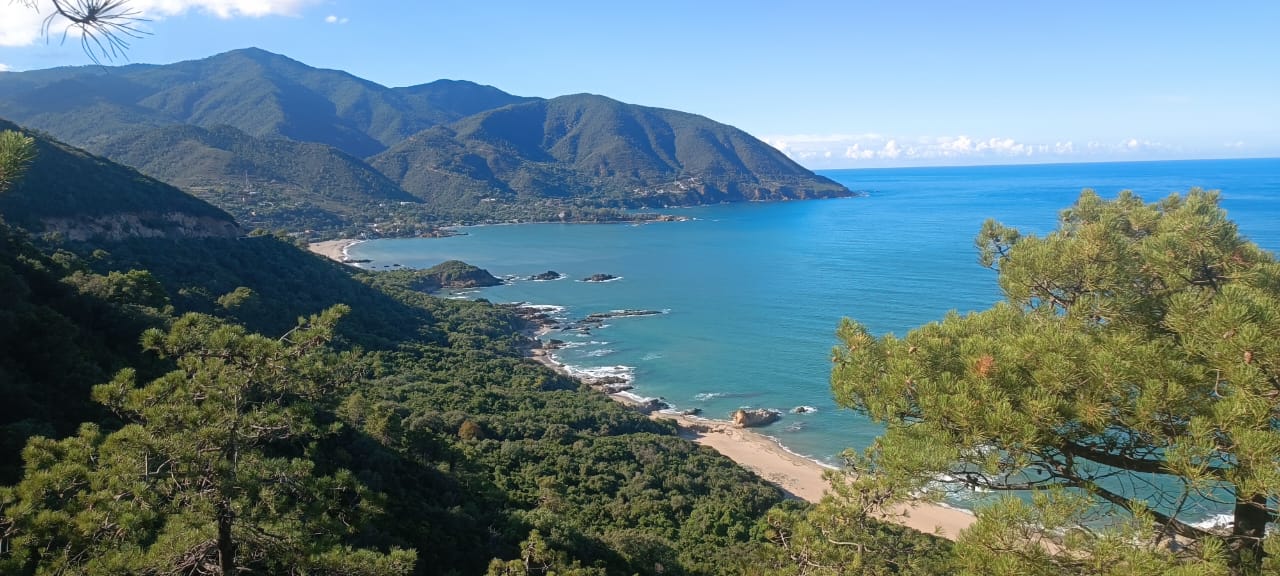
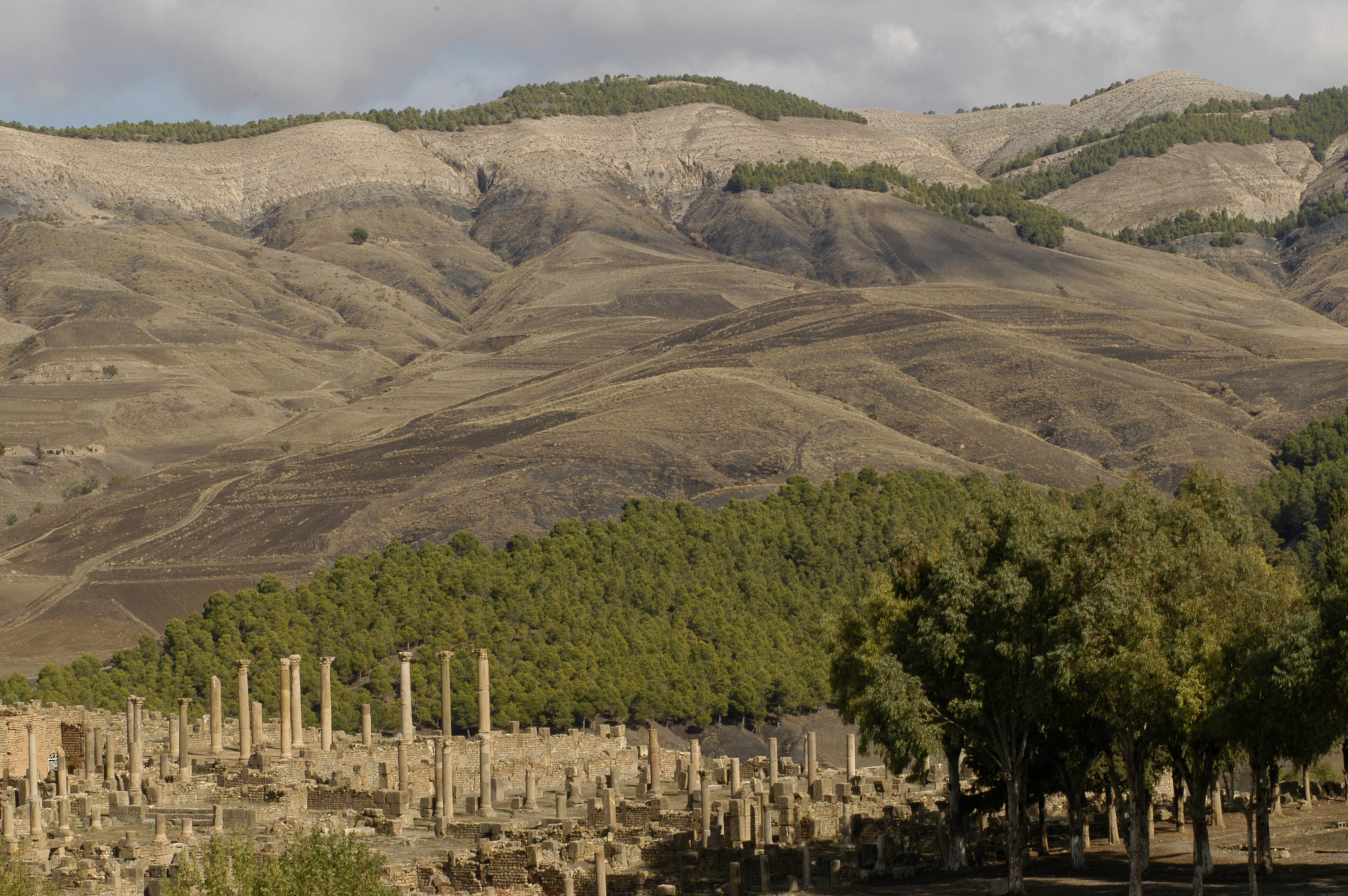
Classés par zone géographique & par saison idéale
Algeria offers a vast mosaic of natural landscapes: Mediterranean coastlines, mountains, forests, high plateaus, and the immense Sahara. To help you explore it fully, our tours are organized by region and by season for optimal travel conditions.
Geographic Zones Covered:
Northeast (Kabylia, Aurès, El Kala, Souk Ahras, Annaba, Tébessa)
- North-Central (Tell Atlas, Chréa, Médéa, Djurdjura, Tikjda, Tipaza)
- Northwest (Oran region, Tlemcen, Saïda, Sidi Bel Abbès)
- High Plateaus (Sétif, Batna, Laghouat, Djelfa)
- Northern Sahara (Ghardaïa, El Menia, Béni Abbès)
- Deep South (Tassili n'Ajjer, Hoggar, Tamanrasset, Djanet, Illizi)
Best for forested areas, mountains, and cultural landscapes.
Aurès & Souk Ahras
- Hikes in Rhoufi Canyon, Djebel Chélia (2,328 m), Belezma NP
- Chaoui villages, Roman ruins, and local hospitality
- Ideal mix of nature and heritage
Northeast National Parks
- El Kala NP: wetland lakes (Oubeïra & Tonga), rare birds, forests
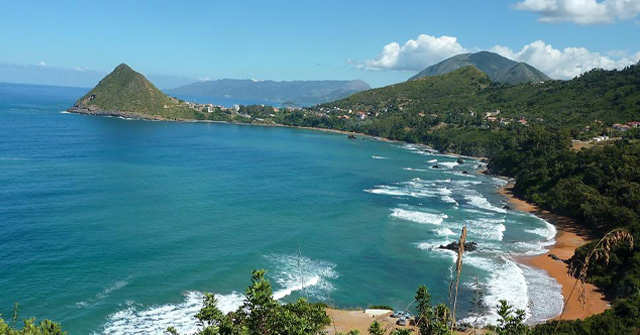
- Taza NP (Jijel): sea-view hikes, marine caves
Djurdjura & Kabylia
- Tikjda summit hikes, cedar forests, Amazigh villages
- Akfadou waterfalls and panoramic trails
Tell Atlas (Chréa & Médéa)
- Chréa NP: altitude forests, Barbary macaques, forest walks
- Great for easy treks in April–May
Recommended for high-altitude or deep desert areas with dry heat.
High Kabylia (Tikjda, Djurdjura)
- Refreshing stays at 1,500–2,300 m elevation
- Stargazing, forest bivouacs
Sahara Treks: Tassili & Hoggar
- Djanet: prehistorical rock art, moonlike landscapes
- Ideal for guided desert expeditions
- Tamanrasset: cool highlands of Assekrem & Hoggar
Perfect for hiking throughout Algeria (excluding extreme hot zones)
Tébessa – Theveste Hills
- Heritage trails among temples and hills
- Pleasant weather, olive groves, Roman ruins
Saïda – Ouarsenis Mountains
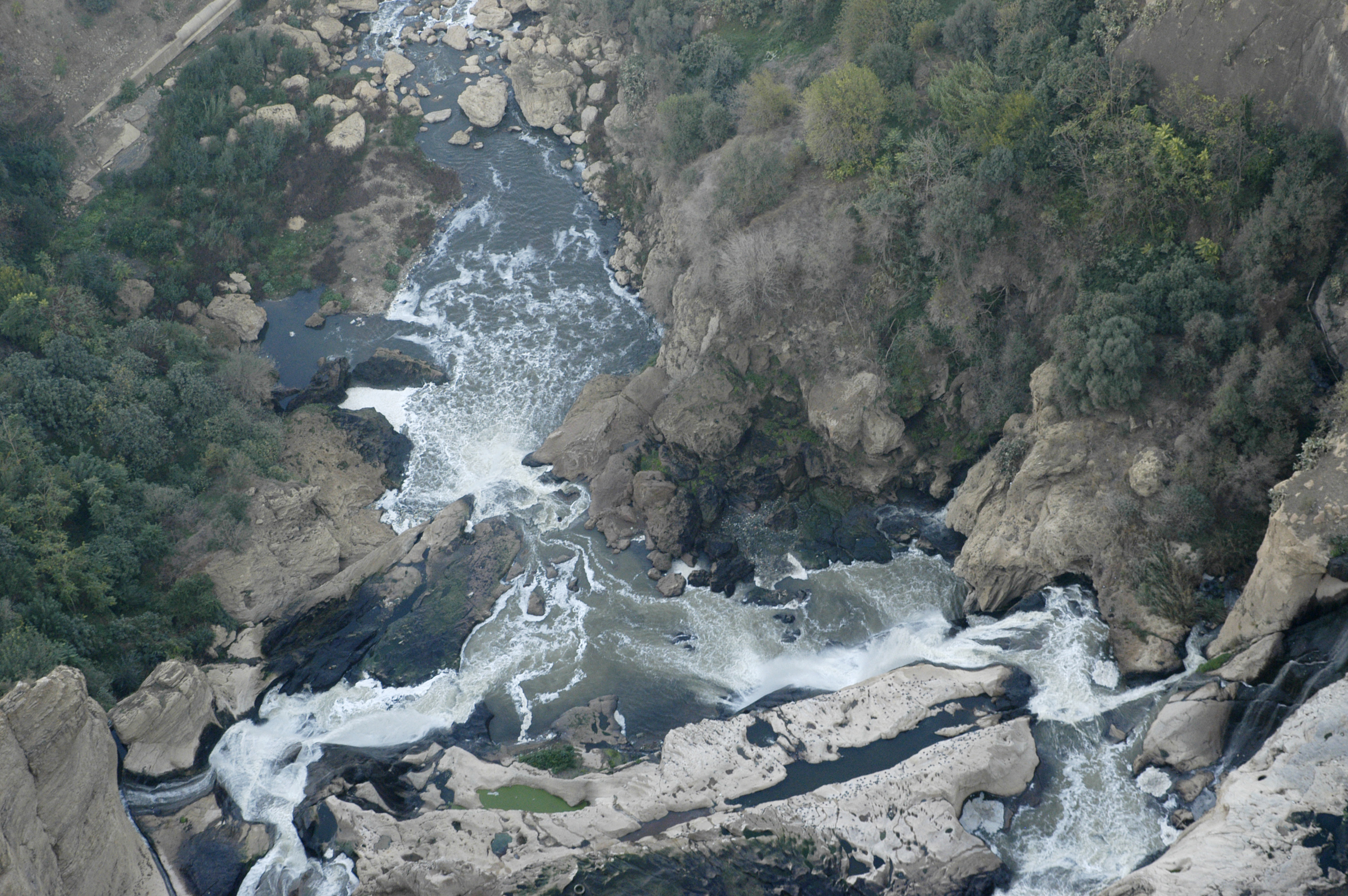
- Waterfalls of Ras El Ma, Mediterranean forest hikes
- Warm hospitality and unspoiled nature
Tipaza & West Coast
- Coastal trails and Roman sites (Tipaza, Chenoua)
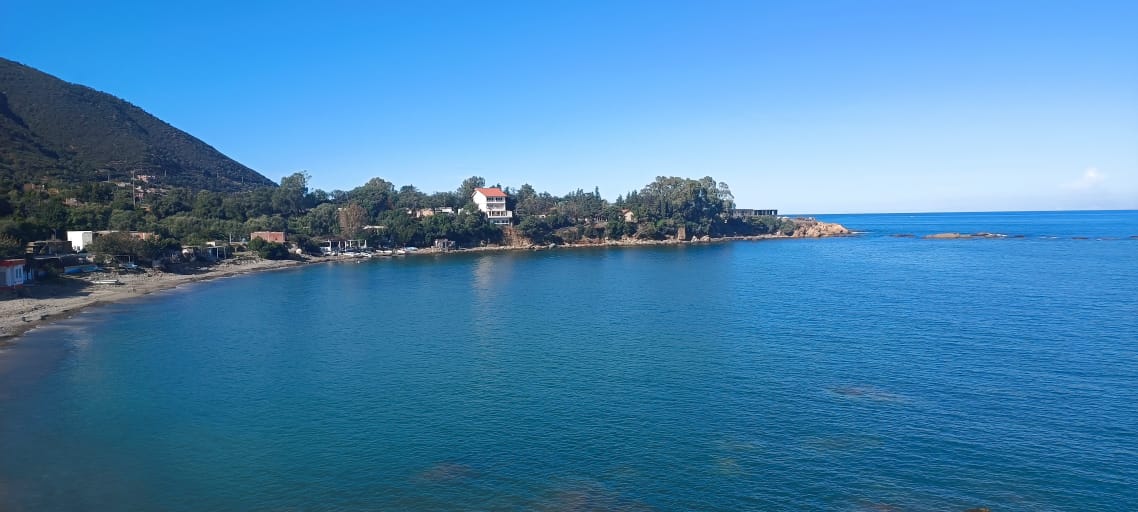
- Stunning sea-mountain views in mild weather
The best season for southern desert circuits and oasis experiences
M'zab Valley (Ghardaïa)
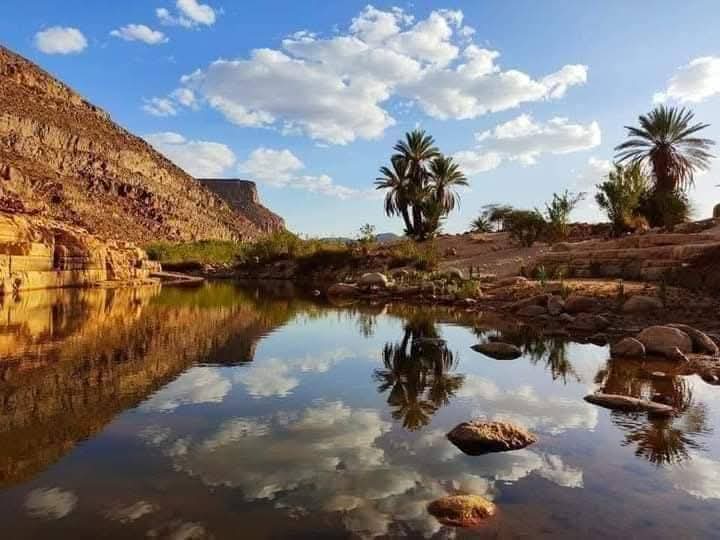
- Desert architecture, ksour, palm groves
- UNESCO site, cultural immersion
Béni Abbès – Taghit – Béchar
- Red canyons, golden dunes, easy desert treks
- Perfect for calm exploration and overnight bivouacs
Tassili n'Ajjer & Djanet
- Legendary treks: Tadrart Rouge, Tin Merzouga
- Clear skies for photography and astronomy
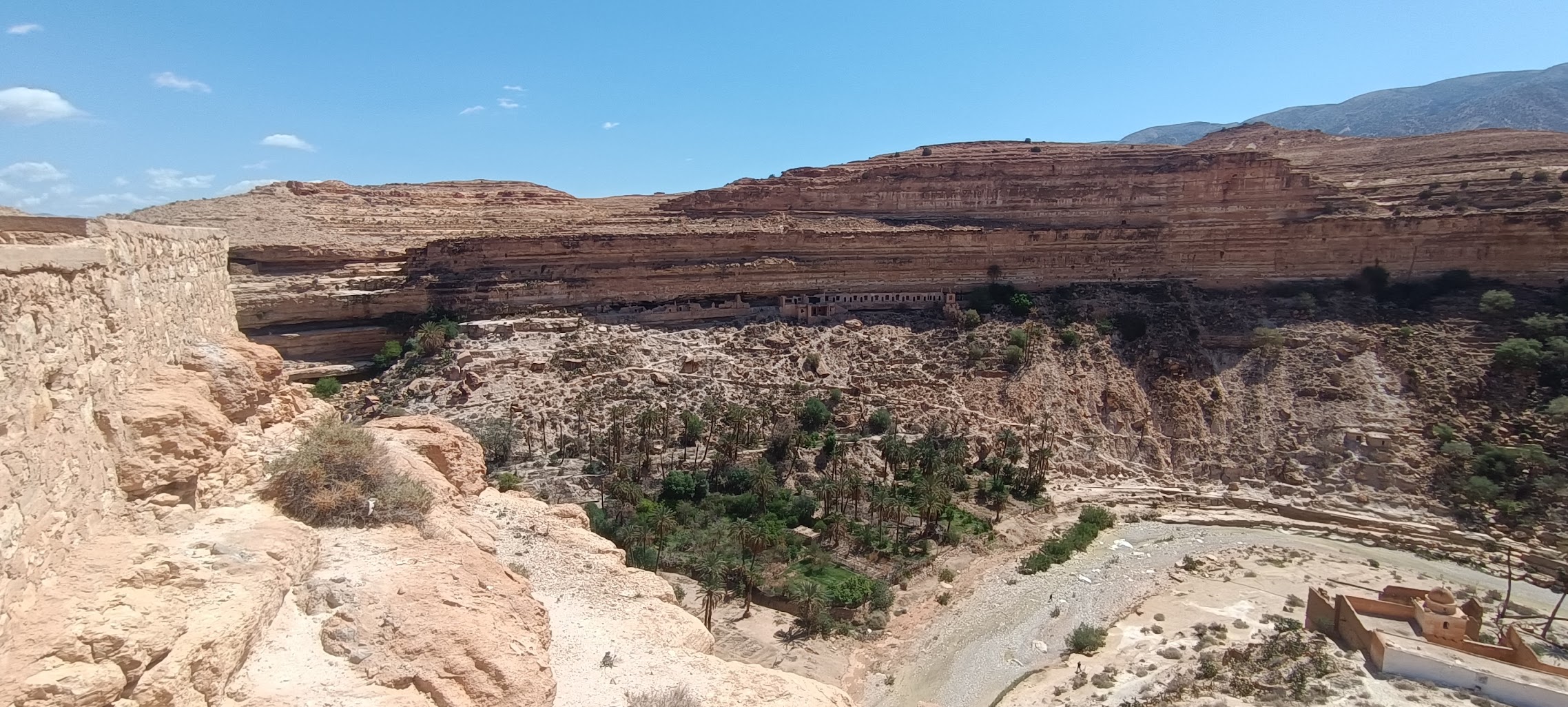
Ranked by the Cultural, Natural & Historical Importance of Sites
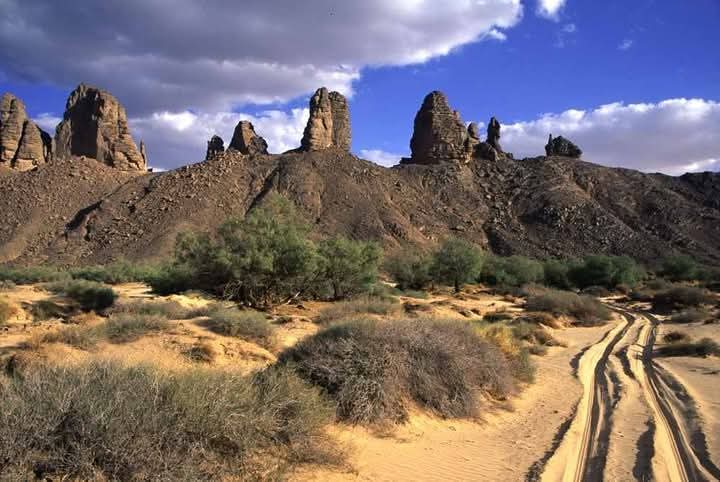
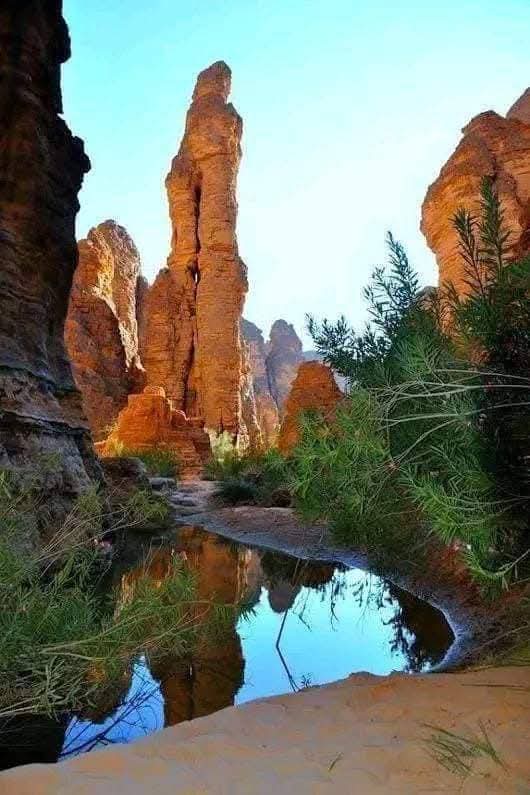
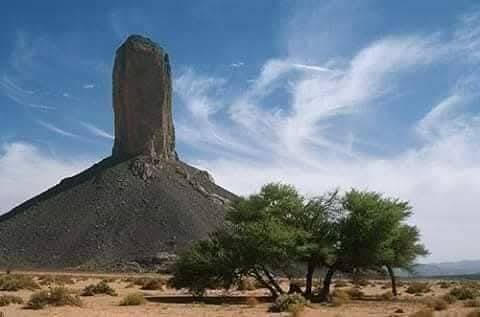
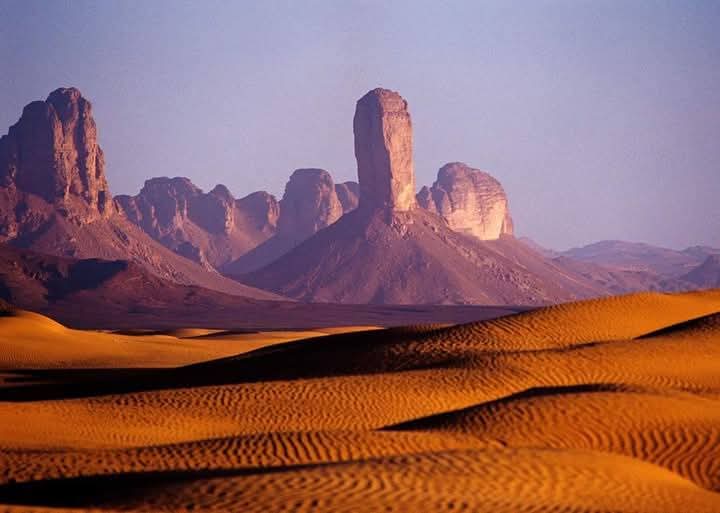
Embark on a journey through the Algerian Sahara — a land of ancient rock art, towering dunes, spiritual mountains, and timeless oases. These circuits are ranked according to the richness of their heritage, landscapes, and cultural depth.
Tassili n'Ajjer (Djanet – Illizi)
- Over 15,000 prehistoric rock engravings and paintings
- Iconic sites: Tadrart Rouge, Tin-Tazarift, Jabbaren
- Moon-like landscapes, red sand dunes, stone arches
- Guided treks and Tuareg-led desert bivouacs
Hoggar Mountains & Assekrem (Tamanrasset)
- Spiritual site: Hermitage of Charles de Foucauld at Assekrem
- Basaltic spires, high-altitude desert treks
- Deep immersion in Tuareg culture and music
- Multi-day mountain treks available
M'zab Valley (Ghardaïa)
- Traditional markets, palm groves, ecological wisdom
- Unique Saharan architecture, fortified ksour (citadels)
- Excellent for cultural and eco-tourism
Tadrart Rouge (Southern Djanet)
- Multi-day desert hikes (3–5 days) recommended
- Rich rock art sites and dramatic vistas
Taghit & Béni Abbès (Western Sahara)
- Ancient ksour, palm oases, Saharan folklore
- Less-visited archaeological treasures
- Great for soft desert travel, especially in winter
Timimoun & Gourara
- Dune landscapes, salt flats, and oasis villages
- Home to Sufi chants and spiritual desert music
El Menia – In Salah – Tidikelt
- Remote ksour, surreal stone landscapes
- Off-the-beaten-track for adventurers
Adrar – Touat – Reggane
- Ingenious foggaras (underground irrigation)
- Gateway to the vast Tanezrouft desert
In Guezzam & Deep Southern Tassili
- Ideal for expert expeditions only
- Requires permits and full professional support
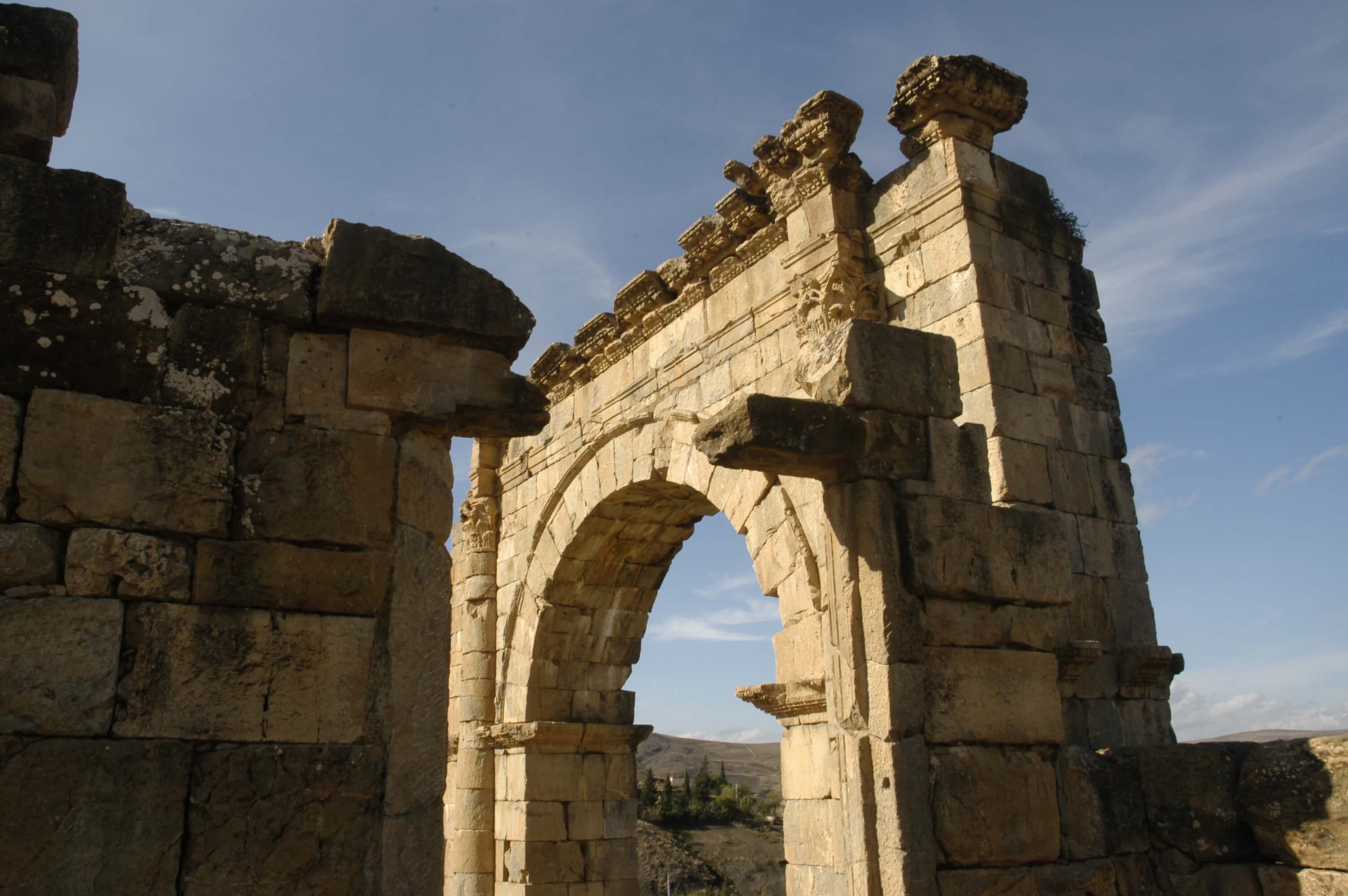
A premier destination for field research and advanced eco-tourism
Algeria, with its 11 national parks, RAMSAR wetlands, and strategic position between Europe and Africa, serves as a vast open-air laboratory. This territory uniquely combines multiple scientific disciplines: ornithology, geology, paleontology, botany, climatology, and astronomy. We present these research opportunities organized by biogeographic zones, including migration seasonality, ecological niches, and scientific challenges related to global change.
El Kala National Park (El Tarf) – UNESCO Biosphere Reserve
- Ecosystems: Coastal lakes, cork oak forests, peat bogs
- Bird observation: 200+ species (flamingos, teals, osprey, herons, grebes)
- Scientific interest: Wetland eutrophication, Mediterranean migratory corridors, bioindicator monitoring
- Best observation season: October–March (overwintering), April–May (return migration)
Gouraya National Park (Béjaïa)
- Ecosystems: Mediterranean maquis, sea cliffs, relict oak forests
- Flagship species: Barbary macaque, black stork, bearded vulture
- Opportunities: Dolphin observation (common & bottlenose species)
Taza National Park (Jijel)
- Environments: Humid Tell forests, karstic caves, inland marshlands
- Research themes: Cave-dwelling invertebrates, endemic mountain botany
Belezma National Park (Batna)
- Ecosystems: Atlas cedar forests, high-altitude steppes, rugged ravines
- Wildlife: Barbary deer, vultures, endemic reptiles
- Research potential: Impact of climate change on cedar habitats, biodiversity shift patterns
Hodna & Chott Ech Chergui Wetlands (Central Algeria)
- Status: RAMSAR potential sites
- Key themes: Salt cycle dynamics, halophytic vegetation adaptation
Tassili n'Ajjer National Park (Djanet)
- Status: UNESCO World Heritage, Biosphere Reserve
- Rock Art: 15,000+ prehistoric paintings and engravings
- Paleoclimate: Ancient lakes and fossilized vegetation
- Geology: Sandstone towers, arches, tectonic fossil reliefs
- Stargazing: Virtually zero light pollution—ideal for astronomy expeditions
Ahaggar National Park (Tamanrasset)
- Terrain: Ancient volcanic massifs, craters, dried riverbeds
- Fauna: Fennec fox, Dorcas gazelle, golden jackal, Houbara bustard (endangered)
- Scientific stargazing: Perfect location for portable observatories or astrophotography missions
MIGRATORY CYCLES — Annual Planning for Scientific Observation
| Season | Migratory Cycle | Key Bird Species | Priority Areas |
|---|---|---|---|
| Sept–Nov | Post-breeding migration | Storks, ospreys, greylag geese | El Kala, Hodna, Chott el Jerid |
| Déc–Mar | Wintering season | Teals, wigeons, flamingos | Oubeïra wetlands, Ech Chergui |
| Avr–May | Pre-breeding migration | Bee-eaters, black kites, white storks | El Kala, Macta, High Plateaus |
| Summer | Local breeding species | Houbara bustard, European roller, desert sparrows | Gourara, Hoggar, Djelfa |
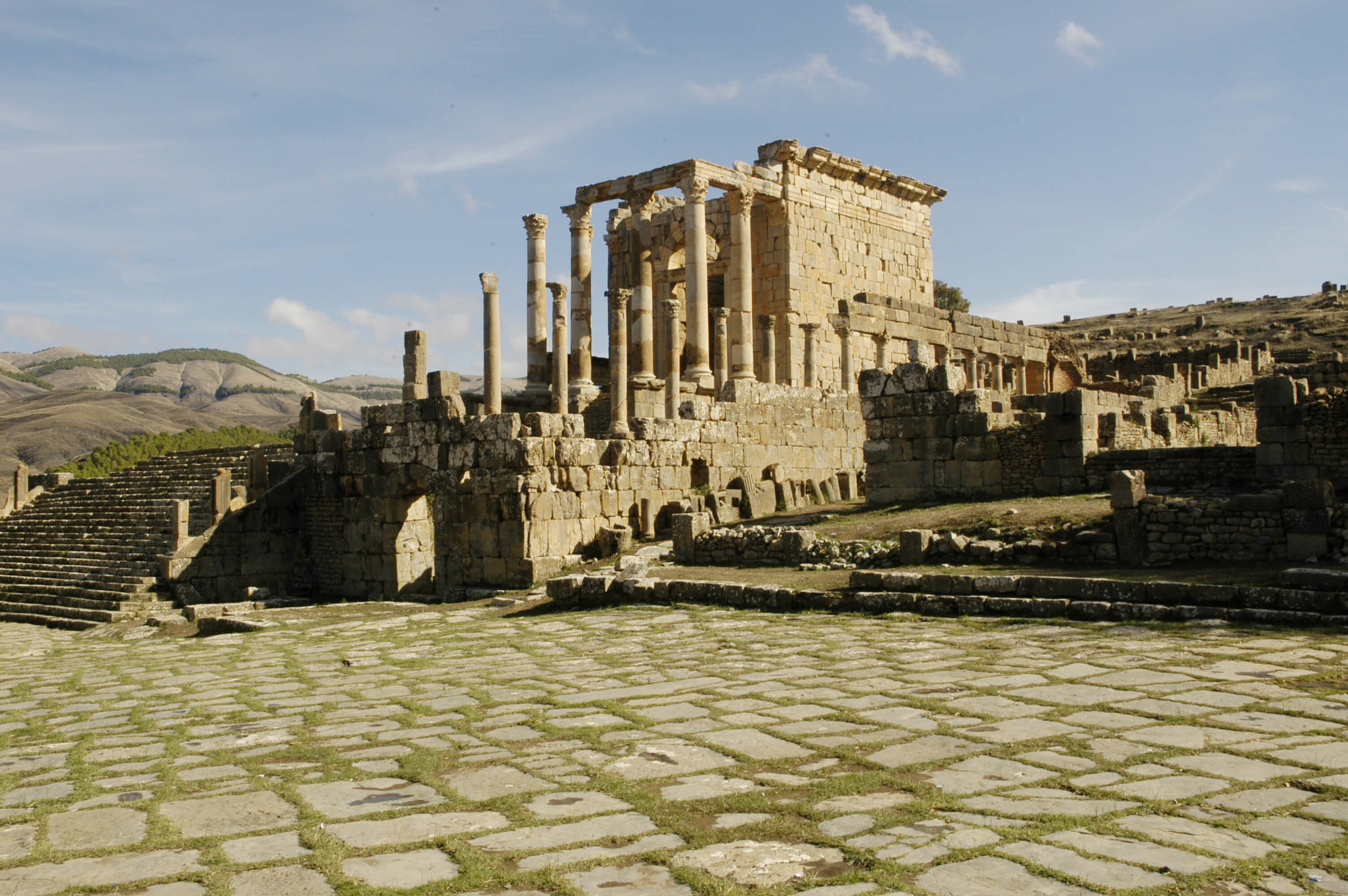
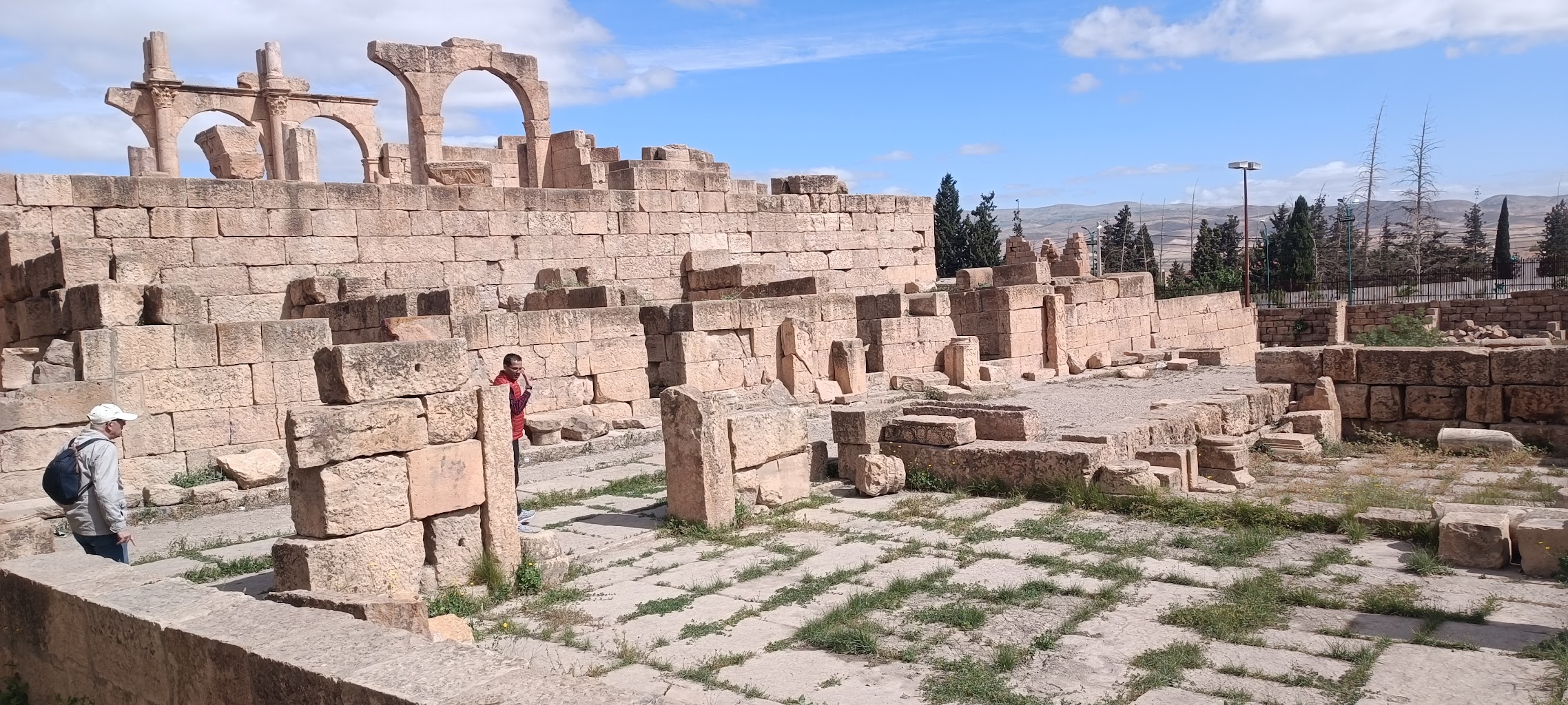
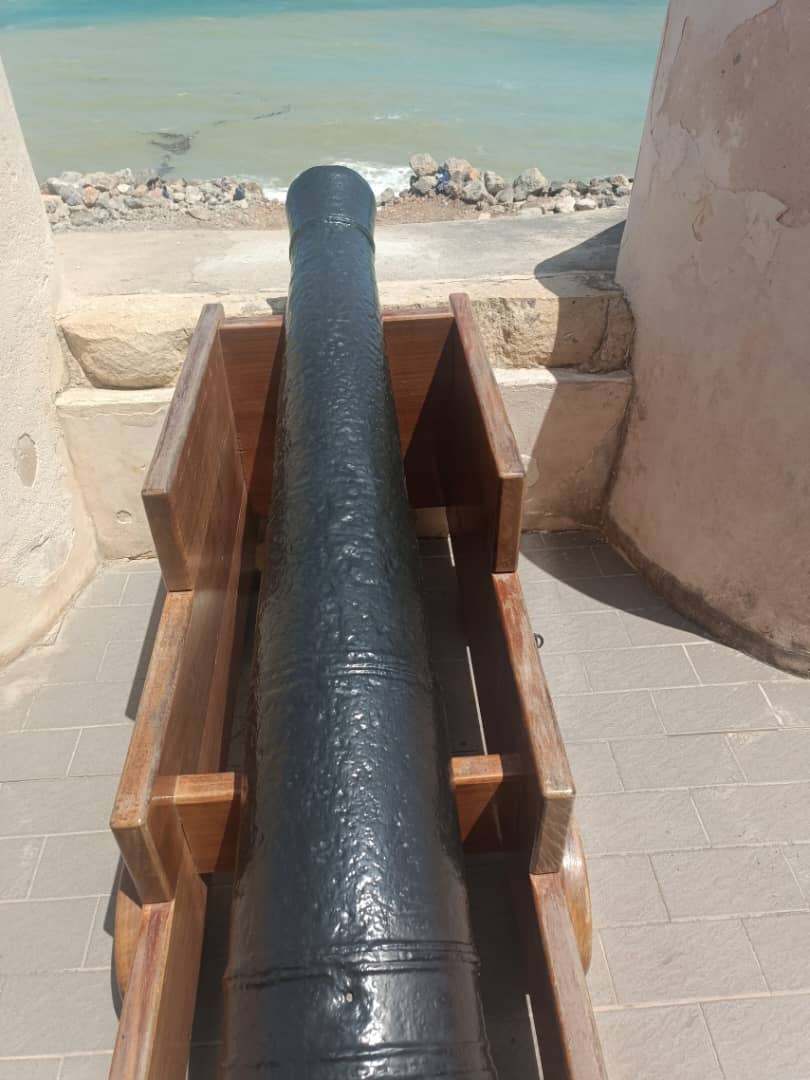
Tracing the War of Independence (1954–1962)
An educational, historical, and emotional journey across Algeria's regions that forged its modern nationhood. Tailored for cultural tourism professionals, academic institutions, researchers, and heritage-conscious travelers.
Aurès Mountains (Batna – Khenchela – Biskra)
- Birthplace of the November 1st, 1954 uprising
- Sites: Chechar maquis, resistance caves, moudjahidine trails
- Memorials and museums dedicated to Mostefa Ben Boulaïd, Abbas Laghrour
Souk Ahras – Tébessa – El Taref
- Strategic border zone, heart of historical Wilaya I
- Remnants of the Morice Line and Challe Line
- Makeshift hospitals, ALN training camps, logistics networks
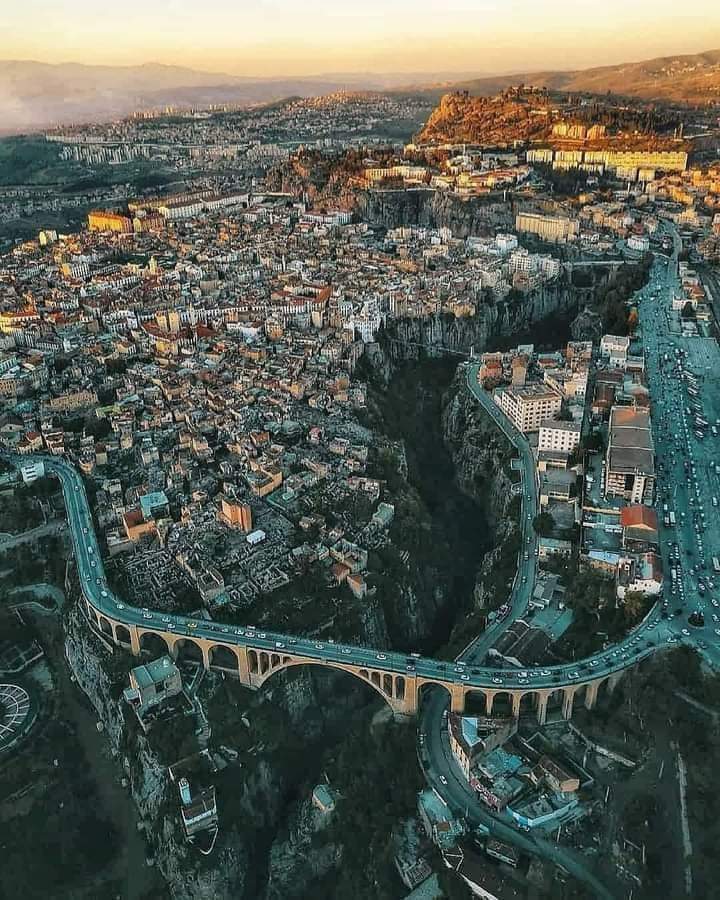
Constantine – Skikda – Guelma
- Urban strongholds of resistance
- National Museum of the Revolution (Constantine)
- In the footsteps of Zighoud Youcef, Didouche Mourad, and other revolutionaries
Kabylia (Tizi-Ouzou – Béjaïa – Bouira)
- Base of Wilaya III, active in guerrilla warfare
- Forest hideouts, clandestine schools, martyr villages
- Icons: Krim Belkacem, Amirouche Aït Hamouda
Algiers – Blida – Casbah
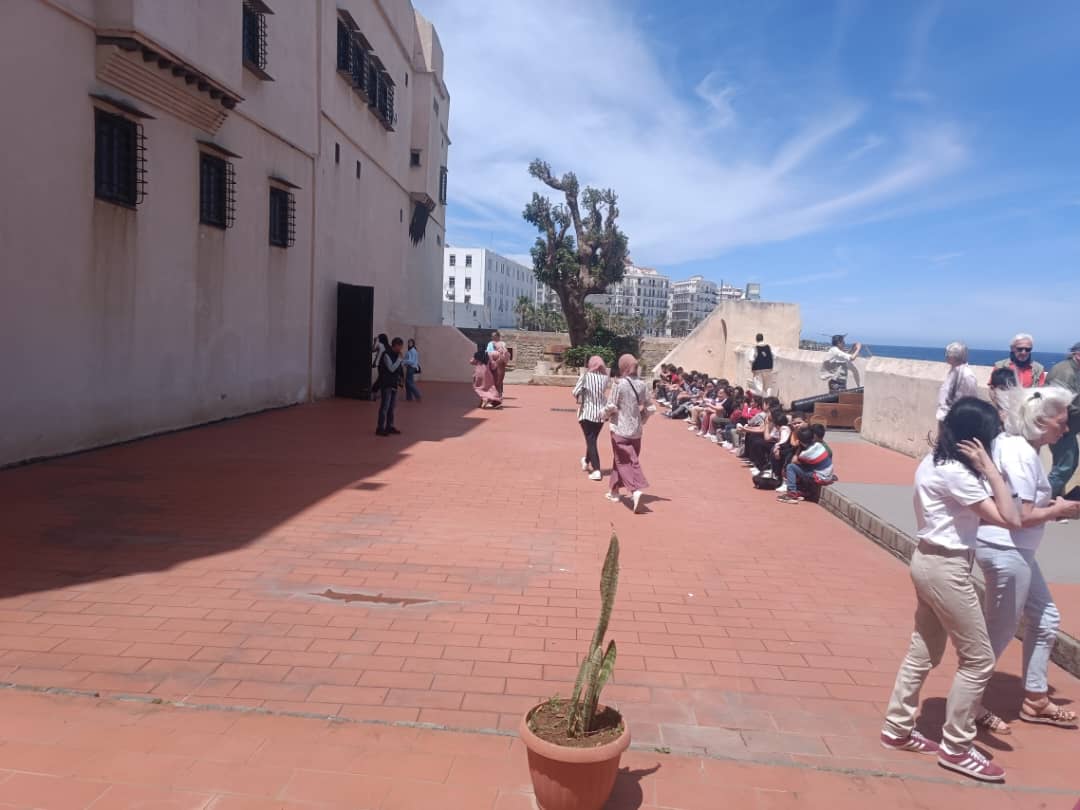
- Center of the Battle of Algiers (1956–1957)
- Memory trail: UNESCO-listed Casbah, Villa Susini, Caton Street
- Resistance heroes: Yacef Saadi, Ali la Pointe, Hassiba Ben Bouali
Tlemcen – Nedroma – Ouarsenis Mountains
- Headquarters of Wilaya V
- Sites: Sidi Senouci Cave, French colonial posts
- Memorials: Larbi Ben M'hidi, Houari Boumediene
Saïda – Mascara – Relizane
- Rural resistance hubs and French regroupment camps
- Transit routes and testimonies from displaced populations
- Historical analysis of civilian trauma and relocation
Béchar – Tindouf – Adrar
- Sites of French nuclear testing (Reggane, In Ekker)
- Moudjahidine operations in the Western Erg
- Memorials for civilian and military victims of nuclear fallout
Morice & Challe Lines (1957–1961)
- Electrified fences, watchtowers, and minefields along borders
- Survivor testimonies, visits to preserved segments
- Technical and historical interpretation with expert guides
Regroupment Camps & Forbidden Zones
- Forced relocation of rural populations (1.5 million displaced)
- Site visits with testimonies from displaced inhabitants
- Research sites for anthropologists, historians, and filmmakers
Revolutionary Figures
- Tributes to national heroes:
- Ben Boulaïd (Aurès),
- Abane Ramdane (Kabylie),
- Larbi Ben M'hidi (Oranie),
- Hassiba Ben Bouali (Algiers),
- Ali Zamoum, Si El Houès, Ali la Pointe…
A Cross-Border Cultural Expedition
Explore the rich and interconnected heritage of two neighboring countries, through a route that bridges ancient civilizations, natural wonders, and historical legacies. From the Mediterranean coast to the desert frontier, this itinerary is designed for travelers seeking both depth and diversity.